Protein for Weight Loss: How It Works and How to Use It
Diets fail because people get hungry. Protein is the nutrient that fixes that, which is why nearly every approach that works, from low-carb to intermittent fasting to plain calorie counting, quietly relies on it. This is how to use protein deliberately when you are trying to lose fat, and keep the weight you lose from being muscle.
Three things protein does for fat loss
1. It is the most filling nutrient
Calorie for calorie, protein suppresses appetite more than carbohydrate or fat. A 300-calorie breakfast of eggs or protein oats keeps you full for hours; 300 calories of toast and jam does not. Less hunger means you eat less without white-knuckling it.
2. It costs calories to digest
Your body burns about 20 to 30% of protein's calories just processing it, compared with 5 to 10% for carbs and under 5% for fat. Not a huge effect, but it is free.
3. It protects muscle
When you eat less, your body breaks down both fat and muscle. Enough protein, plus some resistance training, tells it to keep the muscle. That matters because muscle is what keeps your metabolism up and what makes the end result look toned rather than just smaller.
How much
For fat loss, the research points to 1.6 to 2.2 g per kg of goal body weight. A woman aiming for 60 kg should eat 95 to 130 g a day; a man aiming for 75 kg, 120 to 165 g. If that sounds like a lot, it is roughly double what most Indians eat, and it is the part most diets skip.
A day at about 110 g and 1,500 calories
- Breakfast: 75 g high protein oats with 200 ml milk, 26 g protein, about 400 kcal
- Lunch: grilled paneer or chicken (120 g), a bowl of dal, salad, one roti, 35 g, about 450 kcal
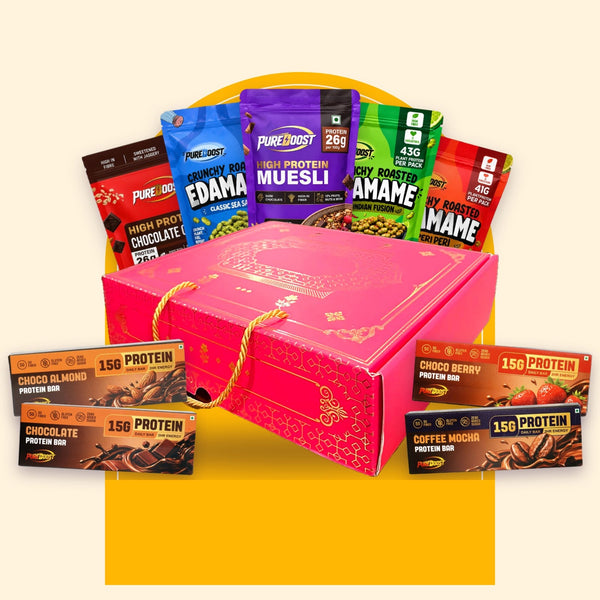
- Snack: one protein bar, 15 g, 167 kcal
- Dinner: soya chunk or egg curry with a small bowl of rice and sabzi, 25 g, about 400 kcal
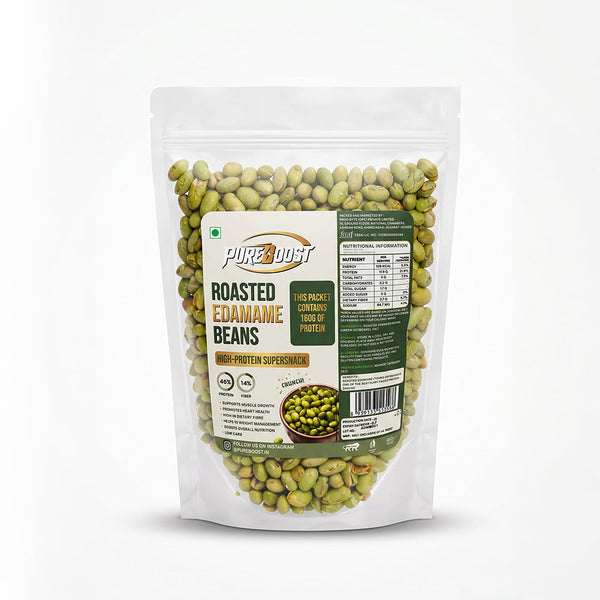
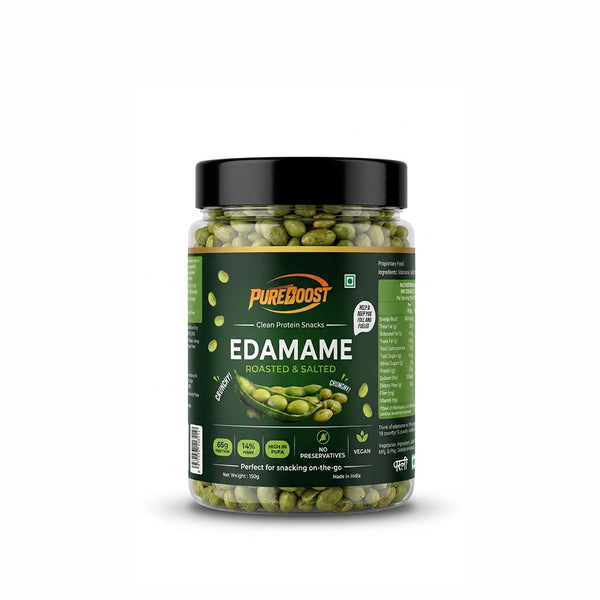
- Anytime: a 20 g handful of roasted edamame, 9 g, 80 kcal
That is about 110 g of protein and 1,500 calories, and you are eating normal food at normal times.
Where a shake fits
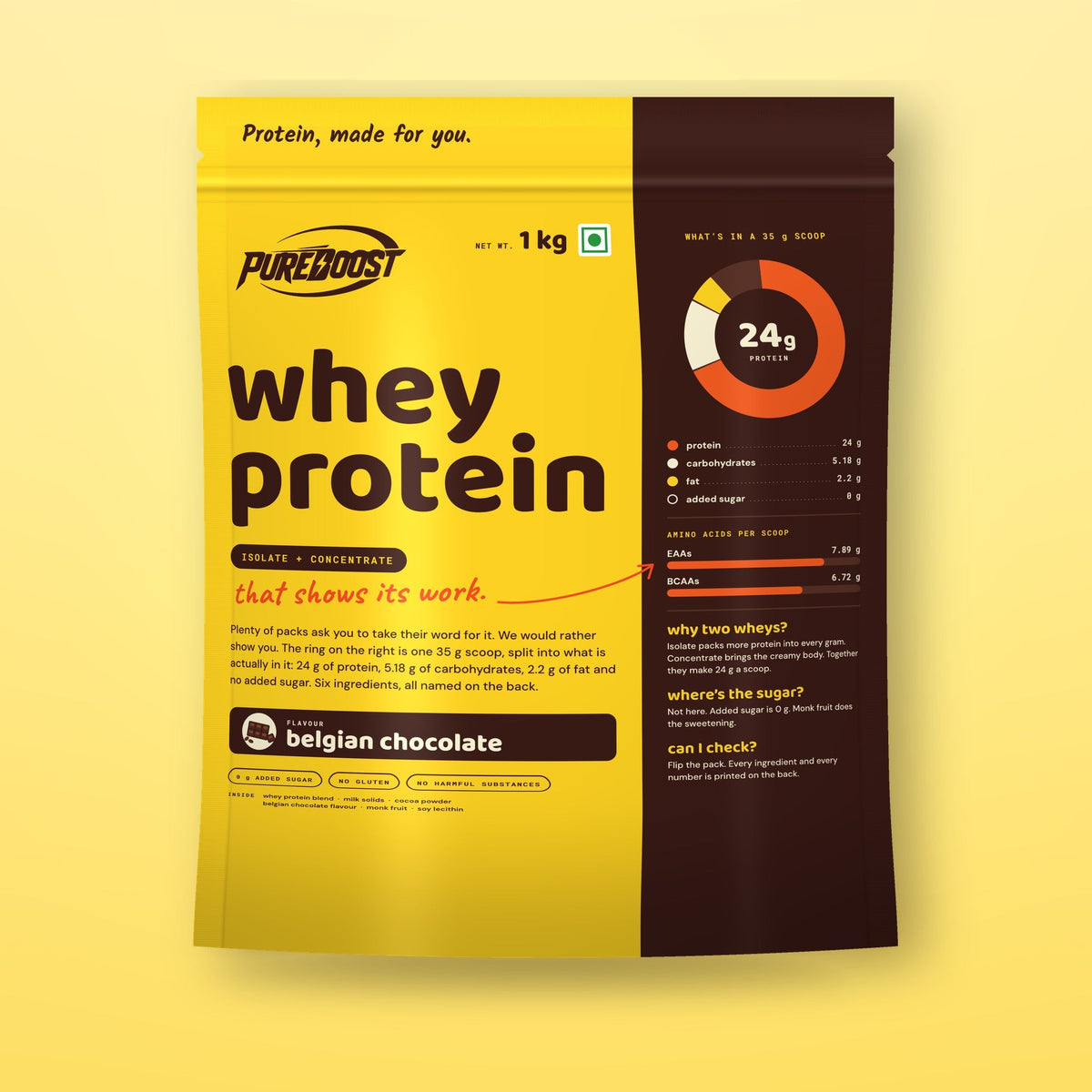
Whey is the cheapest, leanest protein you can buy: 24 g for 136 calories per scoop. On days when lunch is a sandwich or dinner is late, a scoop of Pureboost whey in water fills the gap for fewer calories than any food option. It is a tool, not a requirement.
Mistakes that stall people
- Drinking calories. Juice, sweet chai, cold coffee from a cafe. A sugary drink is 150 to 300 calories with zero fullness.
- 'Healthy' snacks with no protein. Fruit, makhana and khakhra are fine, but they do not stop hunger. Pair them with protein.
- Skipping breakfast, then overeating at night. Front-load protein and dinner stays sane.
- Cutting too hard. Below about 1,200 calories, you lose muscle and give up. Aim for a 400 to 500 calorie deficit.
- No resistance training. Walking is great; two or three sessions a week of lifting is what tells your body to keep muscle.
What to expect
Half a kilo a week is a good, sustainable rate. The scale will bounce with water and salt; judge by the two-week trend and by how your clothes fit. Protein does not melt fat on its own. It makes the deficit that does the work bearable, which is the whole game.
This is general information, not medical advice. If you have diabetes, kidney disease or are pregnant, talk to your doctor before changing your diet.